Layer 01Creator operations
3D printer prices are falling. Creator fulfilment is still the hard part.
Bambu Lab discounts make high-quality desktop 3D printing more accessible, but creators still need reliable quoting, QA, packing and shipping to scale a product line.
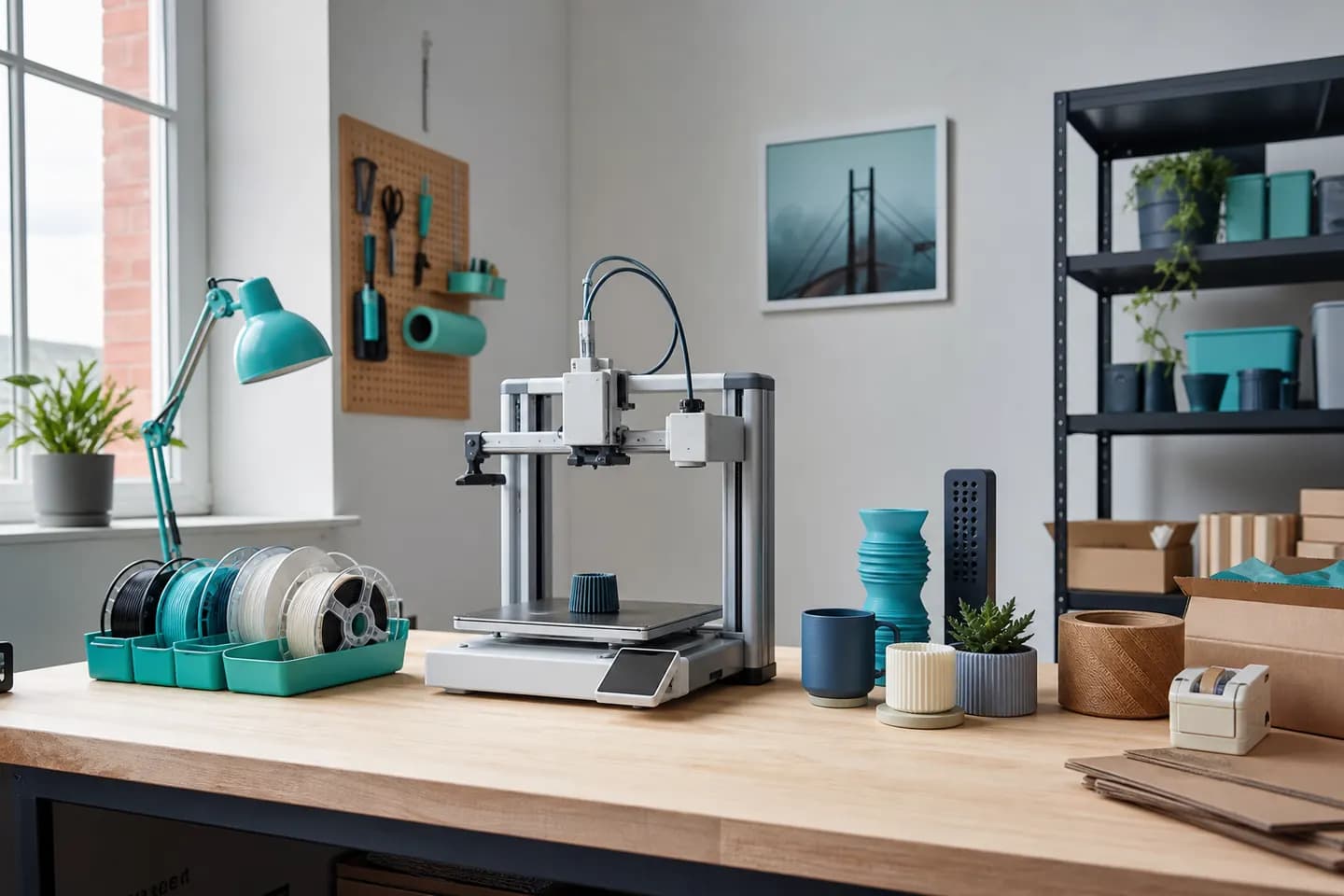
Desktop 3D printing keeps getting cheaper, faster and more polished. Bambu Lab discount coverage this week put machines such as the H2D, P2S, P1S and A1 family back in front of makers who are deciding whether to buy another printer or outsource fulfilment.
For creators, this is good news and a trap. Lower printer prices make it easier to prototype. They do not automatically make it easier to ship 50 orders a week, keep colours in stock, answer buyer messages, replace failures, photograph samples, handle late parcels and protect your design files.
The printer is no longer the whole business
A creator can now get serious print quality without buying an industrial machine. That changes the starting line. It does not change the finish line: ecommerce buyers judge you on dispatch speed, repeatability, packaging, tracking and whether the product that arrives matches the listing photo.
- A product needs a repeatable print recipe, not just one successful test print.
- A shop needs dependable packing and tracking, not just a printer on a desk.
- A creator needs time to design, market and sell, not only time to clear plates and change filament.
- A growing seller needs margin per machine-hour, not just a low material cost.
What a creator should watch before scaling
The operational question is not whether you can print the item. It is whether the item is a good fulfilment SKU. Small, lightweight, support-light products with predictable print time and low remake risk scale better than large decorative pieces that tie up machines for a full day.
That is why Makr3D focuses on product categories such as articulated desk pets, cookie cutters, keychains, phone stands, hobby parts and compact accessories. They are visual enough for social, small enough to ship economically and repeatable enough to price responsibly.
The real decision: own more printers or buy back time
Buying another printer is attractive when demand is uneven and you enjoy the production work. Outsourcing becomes attractive when a product is already selling, buyer expectations are rising, or your bottleneck has moved from printing to operations.
The next wave of successful 3D-print sellers will probably use both: in-house machines for design, testing and urgent samples; fulfilment capacity for repeatable orders, white-label packing, international shipping and busy periods.